


montecarlo gran casinò — tendenze e novità per i casinò terrestri
montecarlo gran casinò si distingue per la varietà delle sue sale, ognuna con un’identità ben precisa. Dai casinò storici ai moderni locali, l’offerta è in grado di soddisfare ogni tipo di giocatore. In questo contesto, casino montecarlo aperto aiuta a fare chiarezza sulle differenze sostanziali tra le varie opzioni. La scelta consapevole è il presupposto per un’esperienza gratificante e sicura.
las vegas casinò online 2026 — offerte esclusive
recensione slot dark king forbidden riches 2026 — confronto affidabile
goldbet,it — offerte imperdibili | goldbet,it
Vedi anche:
- Una panoramica su gran casino montecarlo e le sue applicazioni.
- Bonus, promozioni e condizioni nei casinò locali
- L’atmosfera dei casinò locali in Italia
- I passi essenziali per casino montecarlo aperto
- casino montecarlo aperto: le risposte alle domande più comuni
- Strumenti di Autolimitazione nei Casinò Terrestri Italiani
Una panoramica su gran casino montecarlo e le sue applicazioni.
L’evoluzione del gioco fisico in Italia
Nel panorama del gioco d’azzardo italiano, i casinò terrestri rappresentano un’istituzione storica che continua a esercitare un fascino particolare, nonostante la crescente diffusione delle piattaforme online. Nel 2026, l’offerta dei casinò fisici nel nostro Paese si concentra in poche strutture autorizzate, tutte situate in regioni a statuto speciale o in località turistiche di prestigio. Questi ambienti, a differenza delle controparti digitali, offrono un’esperienza sensoriale completa: il suono delle fiches, il brusio dei giocatori, l’eleganza delle sale e la presenza di croupier in carne e ossa creano un’atmosfera che nessuna piattaforma virtuale può replicare. La normativa italiana, sotto la supervisione dell’Agenzia delle Dogane e dei Monopoli (ADM), stabilisce regole rigide per l’apertura e la gestione di questi locali, con licenze che vengono rilasciate solo dopo severi controlli su sicurezza, trasparenza e responsabilità sociale. Per il visitatore italiano, entrare in un casinò terrestre significa immergersi in un mondo dove il tempo sembra sospendersi, dove ogni tavolo verde racconta storie di fortune e strategie, e dove il galateo del gioco ha ancora un ruolo fondamentale. A differenza del gioco online, qui non c’è fretta: si può osservare, apprendere e partecipare al ritmo dettato dal banco e dagli altri giocatori. Le strutture presenti sul territorio nazionale, pur non essendo numerose come in altre nazioni europee, hanno saputo evolversi, integrando nelle loro offerte ristoranti stellati, spettacoli dal vivo e aree dedicate al relax, trasformandosi in veri e propri centri di intrattenimento a 360 gradi. Questa trasformazione è stata cruciale per attrarre non solo gli appassionati di lunga data, ma anche un pubblico più giovane, curioso di vivere un’esperienza diversa dal semplice click su uno schermo. Inoltre, la componente sociale è imprescindibile: il casinò terrestre è luogo di incontro, dove si condividono emozioni, si scambiano opinioni sulle strategie e si creano legami che vanno oltre il singolo giro di roulette. Non bisogna dimenticare, però, che l’accesso a queste sale è consentito solo ai maggiorenni e che vige il divieto assoluto di gioco per coloro che sono stati inseriti nei registri degli autoesclusi, un meccanismo di tutela che nel 2026 è diventato ancora più capillare grazie alla digitalizzazione dei controlli.
Il ventaglio di giochi e servizi esclusivi
Quando si varca la soglia di un casinò fisico italiano, ci si trova di fronte a un’offerta di giochi che spazia dai classici intramontabili alle varianti più moderne, tutte rigorosamente regolamentate dall’ADM. I tavoli da roulette, francese o americana, sono il cuore pulsante di ogni sala, con i loro numeri che girano vorticosamente e la pallina che decreta la sorte. Il blackjack, con le sue strategie di conteggio delle carte, attira chi ama mettere alla prova le proprie abilità, mentre il punto e banco, più semplice nelle regole, è spesso preferito dai neofiti. Negli ultimi anni, ha preso piede anche il poker nelle sue varianti più giocate come il Texas Hold’em, organizzato in tornei strutturati che richiamano giocatori da tutto il Paese. Ogni gioco ha le sue regole, i suoi limiti di puntata e le sue percentuali di vincita, elementi che vengono esposti chiaramente per garantire la massima trasparenza. Oltre ai tavoli, le moderne sale italiane dispongono di aree dedicate alle slot machine, dove la tecnologia ha fatto passi da gigante: schermi ad alta definizione, grafiche coinvolgenti e tematiche che spaziano dal cinema alla mitologia, con jackpot progressivi che possono cambiare la vita in un istante. La differenza sostanziale rispetto all’online risiede nella tangibilità dell’esperienza: la pressione del pulsante, la vista dei rulli che si fermano, la possibilità di interagire con le hostess e il personale di sala. Ma i casinò terrestri italiani non offrono solo gioco: la ristorazione è un pilastro fondamentale, con ristoranti che propongono menu curati da chef rinomati, bar dove sorseggiare un drink mentre si osserva il viavai dei giocatori, e spesso anche lounge esclusive per i clienti più affezionati. L’intrattenimento non si ferma mai: concerti, spettacoli di cabaret, serate a tema e feste a Capodanno rendono ogni visita un’occasione speciale. Per chi arriva da fuori città, molti casinò hanno hotel annessi o convenzioni con strutture alberghiere vicine, permettendo un soggiorno completo senza doversi preoccupare degli spostamenti. In questo contesto, il casinò diventa una meta turistica a tutti gli effetti, capace di attrarre visitatori da tutta Italia e dall’estero. L’attenzione al cliente è altissima: il personale è formato per assistere i giocatori, spiegare le regole, e intervenire in caso di necessità, sempre nel rispetto delle normative vigenti. La sicurezza, sia fisica che informatica, è garantita da sistemi all’avanguardia, telecamere a circuito chiuso, e personale di vigilanza addestrato, perché la serenità dei giocatori è la priorità assoluta.
Regole, controlli e gioco responsabile
Il quadro normativo che disciplina i casinò fisici in Italia è uno dei più rigorosi d’Europa, e nel 2026 ha raggiunto un livello di sofisticazione notevole. Le licenze vengono concesse dall’ADM solo dopo aver superato ispezioni approfondite che valutano la solidità finanziaria della società, l’integrità dei soci, la conformità degli impianti e la presenza di misure di prevenzione del riciclaggio di denaro. Ogni casinò è sottoposto a controlli periodici, anche a sorpresa, per verificare il corretto funzionamento dei dispositivi di gioco, la casualità delle estrazioni e la gestione dei flussi di cassa. I giocatori, da parte loro, devono rispettare alcune regole fondamentali: età minima di 18 anni, esibizione di un documento d’identità valido all’ingresso, e divieto di utilizzare telefoni cellulari o dispositivi di registrazione al tavolo da gioco. L’ADM ha implementato un sistema di autoesclusione che consente a chiunque di vietarsi l’accesso ai casinò per un periodo determinato o a vita, un meccanismo che viene applicato con rigore in tutte le sale. Inoltre, i casinò sono tenuti a fornire informazioni chiare sui rischi del gioco d’azzardo e a formare il personale per riconoscere i segnali di dipendenza. Ogni sala ha un punto di assistenza dove i giocatori possono ricevere supporto e indicazioni su servizi di consulenza gratuiti. Nel 2026, la collaborazione tra casinò e associazioni di supporto è diventata più stretta, con programmi di prevenzione che vengono attivati direttamente sul posto. È interessante notare come la regolamentazione italiana preveda anche limiti alle puntate massime e all’importo che può essere convertito in fiches, per scoraggiare giocate impulsive eccessive. Questi limiti variano a seconda del gioco e vengono esposti in modo visibile nelle aree di gioco. Per quanto riguarda le vincite, queste vengono tassate secondo la normativa fiscale vigente, e il casinò provvede a trattenere l’imposta alla fonte, semplificando la vita al giocatore che non deve occuparsi di dichiarare la somma. La differenza con l’online è netta: nel casinò fisico, il controllo è immediato e personale, si ha a che fare con persone reali che possono intervenire in tempo reale, mentre sul web ci si affida a sistemi automatici e a un’assistenza spesso a distanza. Questa presenza fisica delle autorità e del personale addetto alla sicurezza crea un ambiente più protetto e meno soggetto a frodi, anche se la tecnologia online ha fatto passi da gigante in termini di sicurezza informatica.
Il confronto con l’esperienza online e le prospettive future
Il dibattito tra casinò fisici e online è più vivo che mai nel 2026, e ogni modalità presenta vantaggi e svantaggi che meritano un’analisi attenta. Il casinò terrestre offre un’esperienza immersiva, sociale e tangibile, ma richiede spostamenti, spesso in località non facilmente raggiungibili, e ha orari di apertura limitati. L’online, al contrario, è accessibile 24 ore su 24 da qualsiasi dispositivo, con una varietà di giochi pressoché infinita e bonus di benvenuto che invogliano alla registrazione. Tuttavia, il gioco virtuale non può riprodurre la tensione che si prova davanti a un tavolo vero, né il contatto umano che per molti è parte integrante del divertimento. Un aspetto cruciale è la regolamentazione: mentre i casinò fisici italiani operano sotto la giurisdizione dell’ADM e sono soggetti a controlli capillari, il mondo online è un terreno più complesso, con piattaforme che possono essere registrate in altri Paesi e che quindi sfuggono in parte al controllo diretto dell’ente italiano. Per questo motivo, negli ultimi anni c’è stata una spinta verso una regolamentazione più uniforme, con l’obiettivo di proteggere i giocatori italiani anche quando scelgono il canale digitale. Nel 2026, i casinò terrestri stanno cercando di innovare per mantenere la loro attrattiva: alcuni hanno introdotto sistemi di gioco interattivi che uniscono la fisicità del tavolo con la tecnologia digitale, come ad esempio la roulette elettronica con croupier dal vivo, che permette di scommettere tramite schermi touch mantenendo l’emozione del gioco reale.
lista casino con bonus senza deposito 2026 — portafogli elettronici
Bonus, promozioni e condizioni nei casinò locali
- 27% bonus sul deposito
- €150 bonus di benvenuto
- 40x requisito di puntata
- 30x requisito di scommessa
L’atmosfera dei casinò locali in Italia
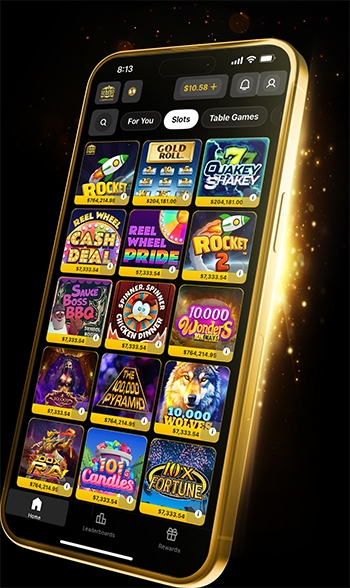
slot machine jackpot online 2026 — grandi montepremi
eurobet scommesse calcio — strategie vincenti | eurobet casino
I passi essenziali per casino montecarlo aperto
Verifica che il casinò fisico sia autorizzato dalla ADM — Agenzia delle Dogane e dei Monopoli e consulta le recensioni dei visitatori.
Controlla gli orari di apertura, il codice di abbigliamento e le regole per l’ingresso (età minima, documenti richiesti).
Pianifica il budget e decidi in anticipo quanto sei disposto a spendere, senza superare il limite.
Informati sui giochi disponibili e sulle puntate minime, scegliendo quelli più adatti alla tua esperienza.
Raggiungi la struttura con largo anticipo, tenendo conto di parcheggio, trasporti e possibili code.
All’ingresso, registrati al programma fedeltà se disponibile e richiedi eventuali promozioni o bonus di benvenuto.
I termini e condizioni di montecarlo gran casinò vanno letti attentamente prima di giocare.
casino montecarlo aperto: le risposte alle domande più comuni
Quali giochi posso trovare in un casinò fisico?
I casinò fisici offrono un’ampia gamma di giochi da tavolo come blackjack, roulette, poker e baccarat, oltre a centinaia di slot machine e videopoker. Molte strutture includono anche aree dedicate al poker con tornei regolari.
Quali sono le principali differenze tra un casinò fisico e uno online?
I casinò fisici offrono un’esperienza sociale e immersiva, con interazione diretta con croupier e altri giocatori, mentre quelli online garantiscono maggiore comodità e varietà di giochi. Inoltre, i casinò fisici richiedono spostamenti e rispettano orari di apertura, mentre quelli online sono accessibili 24/7.
Che documenti servono per entrare in un casinò fisico?
Per entrare in un casinò fisico è necessario essere maggiorenni (di solito 18 o 21 anni a seconda della giurisdizione) e presentare un documento d’identità valido. Alcuni casinò richiedono anche la registrazione all’ingresso o una tessera fedeltà.
Quali servizi offre un casinò fisico oltre al gioco?
I casinò fisici spesso includono ristoranti, bar, lounge, spettacoli dal vivo, hotel e spa. Molti offrono anche programmi di premi e vantaggi per i giocatori abituali, come camere gratuite o crediti per il gioco.
Come funzionano le normative locali per i casinò fisici?
I casinò fisici sono regolamentati da autorità locali che rilasciano licenze ADM — Agenzia delle Dogane e dei Monopoli e impongono regole su orari, giochi consentiti e misure di gioco responsabile. È importante verificare la legalità e la licenza del casinò prima di visitarlo, poiché le leggi variano notevolmente da paese a paese e da regione a regione.
La varietà di giochi in montecarlo gran casinò soddisfa sia principianti che veterani.
Strumenti di Autolimitazione nei Casinò Terrestri Italiani
Il gioco d’azzardo è vietato ai minori di 18 anni e può causare dipendenza. Questo articolo è solo a scopo informativo: se decidi di giocare, fallo in modo responsabile, stabilendo limiti di tempo e di spesa e considerando il gioco come un intrattenimento, mai come un modo per recuperare perdite. In Italia, le attività di gioco sono regolate dall’ADM (Agenzia delle Dogane e dei Monopoli). Se pensi di avere un problema, puoi richiedere l’autoesclusione tramite il Registro Unico degli Autoesclusi (RUA) o contattare il Telefono Verde Nazionale per i problemi legati al Gioco d’Azzardo al numero 800 558822, dove troverai supporto gratuito e confidenziale.





-
CALL NOW
+91- 9727270454
-
MAIL NOW
sales@thebizexpert.com